
Suchir Balaji was a young artificial intelligence researcher whose name became widely known after his work at OpenAI, his public concerns about generative AI training, and his death in San Francisco in 2024. His story connects technology, copyright, ethics, and public accountability in a serious way.
He was 26 years old when he died. Before his death, he had worked inside one of the world’s most influential AI companies. His profile gained attention because his concerns came from direct experience, not from outside speculation.
Who Was Suchir Balaji?
Suchir Balaji was an American AI researcher who lived in San Francisco. His public profile described him as a researcher and former OpenAI employee from 2020 to 2024. He also studied at the University of California, Berkeley, which shaped his technical background.
He was not widely known as a public figure before 2024. Public interest in him grew after he raised concerns about generative AI, copyright, and the way large AI systems use online material.
Early Life and Education
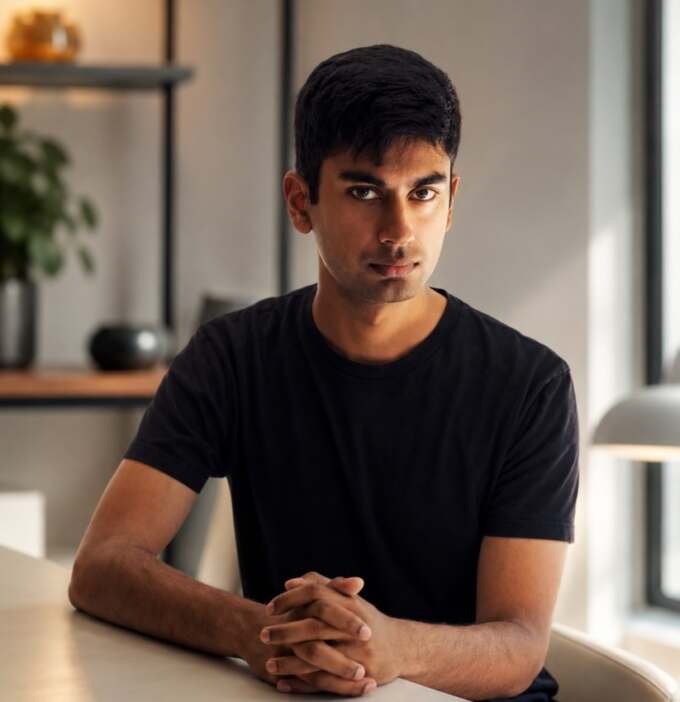
The clearest confirmed part of Suchir Balaji’s education is his connection to UC Berkeley. The university is known for strong computer science and technology programs, and his studies helped prepare him for serious work in artificial intelligence research.
His education matters because it provides context for his later role at OpenAI. He entered a highly technical field at a young age and became connected with important AI systems during a fast-changing period in technology.
Suchir Balaji and OpenAI
The connection between Suchir Balaji and OpenAI is central to his public profile. He worked at OpenAI from 2020 to 2024, during a period when the company became globally known for advanced AI tools and generative systems.
Public reporting connects him to work on WebGPT and major AI research. His role placed him close to important questions about data, model training, product impact, and the responsibilities of AI companies.
Why He Became Known as a Whistleblower
Suchir Balaji became known as an OpenAI whistleblower after he publicly raised concerns about AI training and copyright. His main concern was whether generative AI systems could use large amounts of copyrighted online material fairly.
In October 2024, he published a public essay about generative AI and fair use. He argued that fair use should be judged on a case-by-case basis, especially when commercial AI products may affect the value of original content.
His Copyright Concerns
Balaji’s concerns were not only about copying data. He also questioned whether AI chatbots could reduce the value of the same online content used to train them. This issue matters for publishers, writers, websites, and online communities.
His point was careful and serious. He did not present every AI training case as the same. Instead, he focused on whether a product trained on original work might later compete with or reduce the market value of that work.
Suchir Balaji Death
Suchir Balaji death became major news after he was found dead in his San Francisco apartment on November 26, 2024. He was 26 years old. The news received attention because it came after his public concerns about OpenAI and copyright.
Authorities said his death appeared to be a suicide. The city’s medical examiner later ruled the manner of death as suicide, while public reports also stated that police found no confirmed evidence of foul play.
Suchir Balaji Cause of Death
The official Suchir Balaji cause of death was reported as a gunshot wound. The official manner of death was ruled suicide by the medical examiner. This remains the confirmed public conclusion from authorities.
His parents, Poornima Ramarao and Balaji Ramamurthy, have publicly disputed that ruling. Their position should be mentioned carefully as a family dispute of the official conclusion, not as a confirmed alternative finding.
Suchir Balaji Autopsy
The Suchir Balaji autopsy became widely discussed because it formed part of the official record around his death. The medical examiner’s findings supported the official ruling, and public coverage said no confirmed evidence of foul play was found.
A respectful article should avoid unnecessary graphic detail. The key points are his age, the official cause of death, the official manner of death, and the fact that his family has continued asking for more answers.
Parents and Family Response
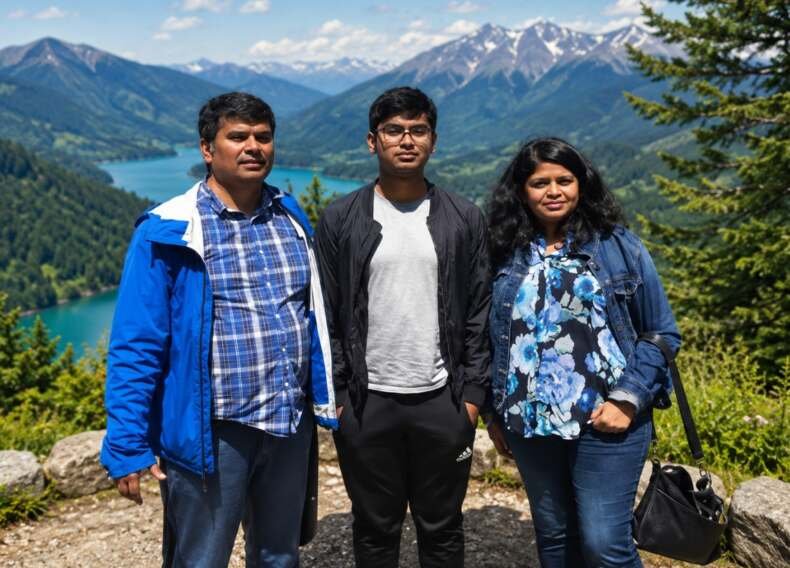
Suchir Balaji’s parents are Poornima Ramarao and Balaji Ramamurthy. After his death, they became public voices because they disagreed with the official suicide ruling and asked for further investigation into the case.
Their response adds a deeply human layer to the story. The official ruling remains suicide unless authorities change it, but his parents’ grief and request for answers are also part of the confirmed public record.
Suchir Balaji News
Suchir Balaji news has focused on his OpenAI work, whistleblower role, death, autopsy details, and his parents’ response. His name is still linked to public discussions about AI companies and copyright issues.
News coverage also discussed his relevance to legal questions involving AI training practices. This kept his profile in public discussion because his views touched on one of the most important issues in modern artificial intelligence.
Suchir Balaji Profile
The confirmed Suchir Balaji profile centers on his work as an AI researcher, his UC Berkeley education, his OpenAI career, and his public writing about fair use. He did not appear to build his identity around public fame.
His public image was serious, technical, and thoughtful. Because verified personal details are limited, a responsible profile should avoid guessing about private lifestyle, wealth, relationships, or unconfirmed family details.
His Role in the AI Copyright Debate
Balaji’s role in the AI copyright debate remains important because he raised questions that are still being discussed. The core issue is whether AI companies can train commercial systems on large amounts of online content without direct permission.
This question affects writers, publishers, artists, developers, and many online platforms. Balaji’s background at OpenAI made his comments important, as he had worked closely with the technology in question.
Social Media Presence
Suchir Balaji’s social media presence was not built like a public influencer profile. His strongest confirmed online presence was his personal website, where he described himself as a researcher and shared his essay about generative AI and fair use.
He also had public developer-oriented profiles associated with his name. These online traces matched his professional identity as a technical researcher rather than someone trying to become a public personality.
Lesser-Known Facts About Suchir Balaji

Five lesser-known facts about Suchir Balaji stand out from confirmed public information. He worked at OpenAI from 2020 to 2024, studied at UC Berkeley, wrote publicly about generative AI and fair use, and focused on copyright and market impact.
Another important fact is that his story remains widely searched because it connects AI research, ethics, law, public accountability, and personal loss. These points explain why his name still appears in major discussions about artificial intelligence.
Conclusion
Suchir Balaji was a young AI researcher whose life became connected with one of the most important technology debates of this era. His work at OpenAI, public concerns about AI training, and writing on fair use made him a notable voice.
His death in San Francisco in 2024 brought wider attention to his name. The most responsible way to write about him is to stay close to confirmed facts, avoid rumors, and remember both his work and the serious questions he raised.
FAQs
Who was Suchir Balaji?
Suchir Balaji was an AI researcher and former OpenAI employee known for raising copyright concerns about generative AI.
Why is Suchir Balaji connected to OpenAI?
He worked at OpenAI between 2020 and 2024, contributing to AI research during a key period of the company’s expansion.
What was Suchir Balaji’s cause of death?
The official cause of death was reported as a gunshot wound, and the manner of death was ruled suicide.
Why is Suchir Balaji called a whistleblower?
He became known as a whistleblower after publicly raising concerns about AI training, copyright use, and fair use.
What is Suchir Balaji’s legacy?
His legacy is tied to AI ethics, copyright debate, and public accountability in the fast-growing artificial intelligence industry.